

Sponge Iron
Pure potential.
Directly Reduced Iron (DRI) produced in our own coal-based rotary kilns — 200,000 tonnes a year of clean, consistent, low-residual iron. The recognised alternative to steel scrap, and the raw material behind our steel.
Iron ore, deoxidised.
The process of making sponge iron reduces oxygen levels in raw iron ore. The final metallization percentage determines the grade — higher deoxidisation, higher quality.
Our sponge iron is produced in refractory-lined, inclined rotary kilns where iron ore, reduction coal, and dolomite are fed continuously while hot air and oxygen are injected at varying temperatures. The hot waste gasses are recycled through waste heat recovery boilers to generate captive power — making our DRI plants largely energy self-sufficient.

What is Sponge Iron?
Directly Reduced Iron (DRI) — iron ore reduced in solid state using coal-based techniques. The recognised alternative to steel scrap, and the raw material behind clean, consistent steel.
The process of making sponge iron removes oxygen from raw iron ore without melting it. The final metallization percentage — the ratio of metallic iron to total iron — determines the grade. Higher deoxidisation means higher quality DRI for steelmaking.
- Reduced in a refractory-lined, inclined rotary kiln
- Iron ore, reduction coal, and dolomite fed continuously
- Progressive reduction: Fe₂O₃ → Fe₃O₄ → FeO → Fe
- Metallization driven to ~67% and beyond inside the kiln
- Hot waste gasses recycled into captive electricity
Compared to purchased steel scrap, sponge iron gives the melt shop a consistent, traceable, low-residual charge:
- 10–100% more volumetric weight than typical scrap
- Known, uniform chemical composition every heat
- Low sulphur and phosphorus carried into the steel
- Minimal dissolved gasses protect cast integrity
- Foamy slag formation improves melting efficiency
A cleaner charge, a stronger steel.
Compared to purchased scrap, sponge iron gives the melt shop a consistent, traceable, low-residual charge — and the finished steel shows it.
More Volumetric Weight
Usually 10–100% more than other types of scrap — more metal per charge, better furnace efficiency, and higher productivity per heat.
Known, Uniform Composition
Far fewer variations in chemical composition than scrap, delivering predictable metallurgy every heat and consistent billet quality downstream.
Low Sulphur & Phosphorus
Cleaner input means cleaner steel — fewer impurities carried into billets and finished bars, improving ductility and corrosion performance.
Low Dissolved Gasses
Minimal dissolved gas content protects the integrity of the final cast steel, reducing porosity and internal defects in continuous casting.
Foamy Slag Formation
Forms a protective cover of foamy slag in the bath, improving energy efficiency during melting and protecting the furnace refractory lining.
Energy Recovered, Not Wasted
Hot kiln gasses are recycled through waste heat recovery boilers to spin turbines — 27 MW of captive power generated entirely from recycled gasses.
Consistent chemistry, heat after heat.
Typical Sponge Iron Specifications
| Parameter | Typical Value | Significance |
|---|---|---|
| Total Iron (Fe T) | 90 – 92% | Overall iron content of the DRI |
| Metallic Iron (Fe M) | 80 – 84% | Iron available directly for steelmaking |
| Metallization | 88 – 92% | Ratio of metallic to total iron — the quality benchmark |
| Carbon | 0.08 – 0.20% | Low and consistent for predictable melt chemistry |
| Sulphur | ≤ 0.030% | Minimised for ductile, clean steel |
| Phosphorus | ≤ 0.060% | Controlled for downstream toughness |
| Size Range | 3 – 20 mm | Lump and fines fractions for furnace charging |
Typical values for coal-based DRI. Detailed chemistry reports supplied with every consignment. Custom size fractions available on request.
Where our sponge iron goes to work.
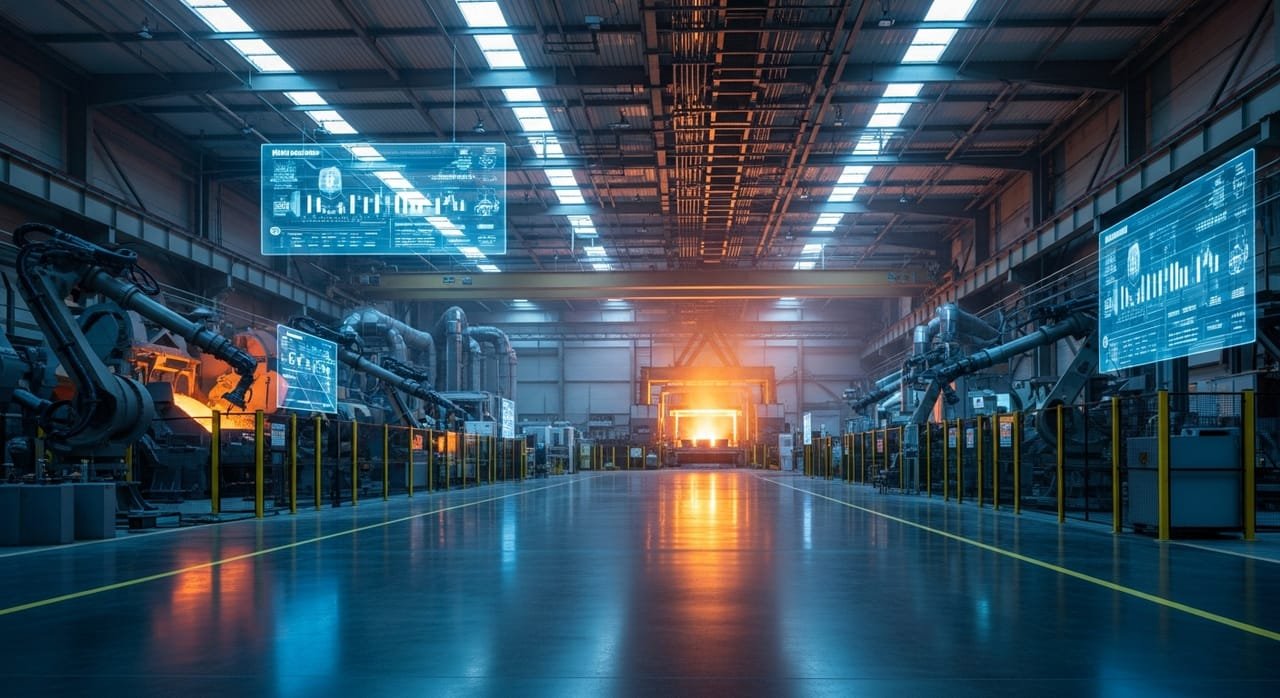
Induction Furnace Steelmaking
The primary use — charged alongside processed scrap into induction furnaces to produce clean billet steel with predictable chemistry, in our own melt shops and others across India.

Billet Production
DRI-fed heats flow directly into our continuous casters, becoming IS 2830 billets with uniform grain structure — the foundation of every TMT bar and structural section we roll.

TMT Bar Manufacturing
The low-residual charge shows up in the finished product: TMT bars with better ductility, lower impurity levels, and improved corrosion behaviour in service.
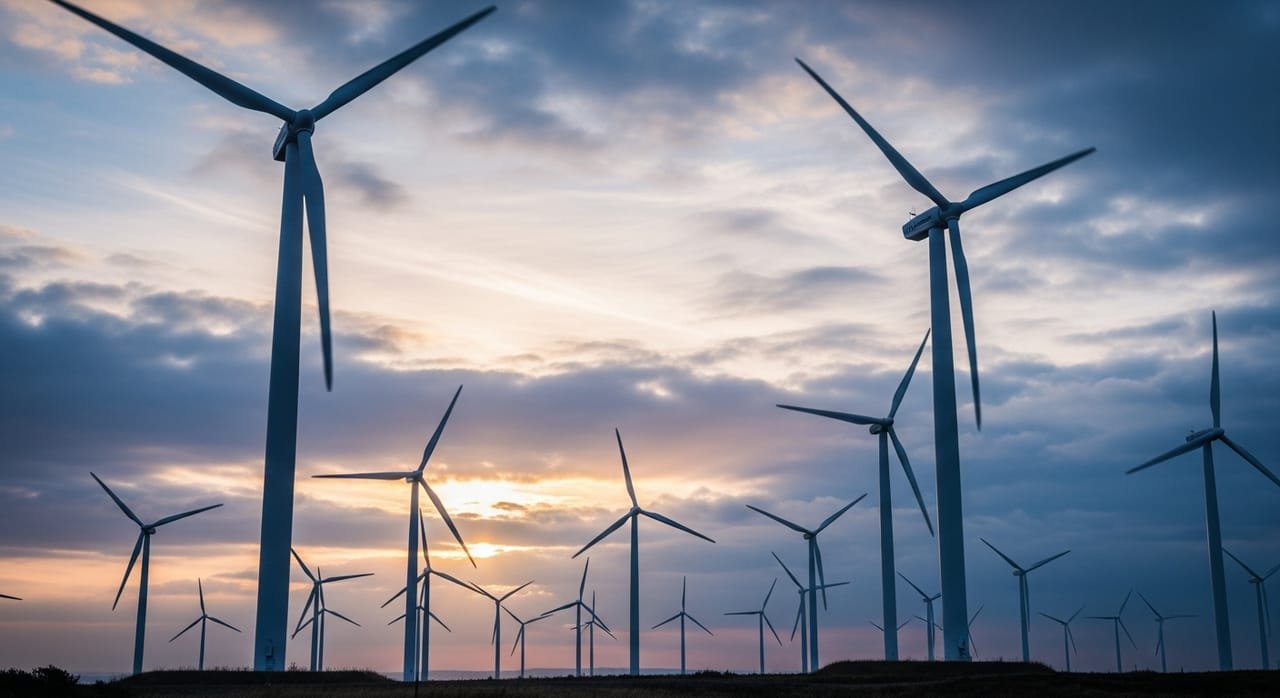
Captive Power Generation
A by-product that powers the plant: hot kiln gasses drive waste heat recovery boilers and turbines at Goa and Chandrapur — 12 and 15 MW of captive generation.
Inside the rotary kiln.
A refractory-lined, inclined cylindrical furnace — rotating continuously while iron ore, reduction coal, and dolomite are fed in and hot air and oxygen are injected at varying temperatures.
From Homes to Highways.
Whether you're running induction furnaces, steel melting shops, or integrated plants, trust Amba Shakti Sponge Iron for the consistency your melt demands.
Induction FurnacesBillet MakingSteel Melting ShopsFinished SteelWherever You Build, We Supply
Amba Shakti supplies quality sponge iron across major states and cities — a dependable raw material source for steel makers near you.
Best TMT Bars in Delhi
Ambashakti is preferred for construction in Delhi NCR, including: Delhi, Noida, Ghaziabad, Gurgaon, Faridabad
Preferred sponge iron across Delhi NCR, with distributors providing competitive rates and dependable supply.
Best TMT Bars in Uttar Pradesh
Lucknow, Kanpur, Varanasi, Agra, Prayagraj, Aligarh, Mainpuri, Etah, Shikohabad
Strong distribution for residential and infrastructure projects — widely trusted sponge iron across UP.
Best TMT Bars in Rajasthan
Jaipur, Jodhpur, Udaipur, Bikaner
Durable sponge iron suited to harsh climate conditions.
Best TMT Bars in Madhya Pradesh
Indore, Bhopal, Gwalior
Supplying major cities across Central India from our Banmore plant.
Best TMT Bars in Haryana & Punjab
Gurgaon, Faridabad, Haryana industrial regions, Major cities in Punjab
Reliable supply through the authorised dealer network across both states.
Sponge Iron, Answered.
The questions steel makers and furnace operators ask most about sponge iron (DRI).
What is sponge iron?
Sponge iron, or Direct Reduced Iron (DRI), is produced by reducing iron ore with coal in rotary kilns without melting it. It is a key raw material for making steel in induction and electric arc furnaces.
How is Amba Shakti sponge iron produced?
We produce coal-based sponge iron in our own rotary kilns from carefully selected iron ore — giving us a clean, traceable iron source for our integrated steel making.
Why is sponge iron preferred by steel makers?
Sponge iron offers consistent chemistry, low residual elements, and predictable melting behaviour — improving the quality of billets and finished steel compared to scrap of unknown origin.
What quality parameters matter in sponge iron?
Key parameters include total iron content, degree of metallisation, carbon content, and low sulphur and phosphorus levels. Our in-house lab tests every batch.
Where can I buy Amba Shakti sponge iron?
We supply sponge iron in bulk to induction furnaces and steel plants across North and Central India. Contact our sales team for supply enquiries.
Get sponge iron pricing today.
Tell us your grade, size fraction, and monthly volume. We'll respond with pricing and availability within four hours.
About Sponge Iron (DRI)
Amba Shakti Sponge Iron is produced using the coal-based Direct Reduction process in a refractory-lined rotary kiln. Iron ore is reduced in the solid state — without melting — producing a high-metallization direct-reduced iron used as a clean, consistent primary charge in our induction furnaces and supplied to external steelmakers.
Product Specifications
- Total iron (T.Fe): 90% minimum
- Metallization: ≥85% (metallic iron to total iron)
- Sulphur: <0.03%
- Phosphorus: <0.05%
- Carbon (C): 0.15–0.25%
Available in lump and fines forms. Captive power recovered from kiln waste gases reduces the carbon intensity of our steelmaking. Contact us for supply availability and quality assurance documentation.