Green Steel
Steel that treads lighter
Green Steel made with recycled inputs, recovered energy, Captive Power 155MW, and Solar Power.
Same strength Smaller footprint
Green steel changes the inputs and the energy — not the strength. Our bars meet the same IS 1786 standards as any conventional bar.
Conventional steelmaking is one of the world's most carbon-intensive industries. We cut the footprint at every stage: recycled steel scrap and in-house DRI as raw materials, captive power recovered from kiln waste heat, high-efficiency induction melting, and integrated plants that eliminate transport legs and re-heating between process stages.
What is Green Steel?
Steel made with a lower carbon footprint — recycled inputs, recovered energy, and efficient processes. Same strength, smaller footprint.
Conventional steelmaking is one of the world's most carbon-intensive industries. Green steel changes the inputs and the energy — not the strength. Bars made from recycled scrap, DRI, and recovered energy meet the same IS 1786 standards as any conventional bar.
- Recycled steel scrap as a primary raw material
- In-house DRI as a clean, consistent iron source
- Captive power recovered from kiln waste heat
- ISO 14001-certified environmental management
At Amba Shakti, sustainability is engineered into how the steel is made:
- Waste heat recovery boilers generate captive power
- High-efficiency induction furnaces cut melting energy
- Integrated plants mean fewer transport legs and re-heats
- Strict monitoring of emissions, water use, and waste
- Steel remains 100% recyclable at end of life
Six ways our steel gets greener
From raw material to rolled bar, every stage of production is engineered to waste less and recover more.
Renewable-Powered Production
Captive power at our Goa and Chandrapur facilities is generated from recycled waste heat, and operations increasingly draw on renewable sources — cutting the grid-carbon footprint of every tonne.
Circular Raw Materials
Steel scrap is processed, cleaned, and melted alongside in-house sponge iron — recycling existing steel into new billets and bars instead of relying solely on virgin ore.
Waste Heat Recovery
Hot gasses from our rotary kilns are recycled through waste heat recovery boilers (WHRB) to spin turbines — generating captive power entirely from gasses that would otherwise be lost.
Energy-Efficient Melting
High-efficiency induction furnaces use electromagnetic induction for precisely controlled heat — a cleaner, more controllable melting route than conventional fuel-fired furnaces.
Integrated Plants
From sponge iron to billets to finished bars under integrated operations — fewer transport legs, less re-heating, and tighter control over emissions at every stage.
Certified Environmental Management
Operations are certified to ISO 14001 environmental management standards, with strict monitoring of emissions, water use, and waste across all plants.
Build green without building weaker

Green-Certified Buildings
Lower-carbon reinforcement helps projects targeting IGBC, GRIHA, and LEED certifications reduce embodied carbon without compromising structural design.

Residential Construction
Homeowners increasingly ask what their house is made of. Green steel bars deliver the same IS 1786 strength with a footprint they can feel good about.
Public Infrastructure
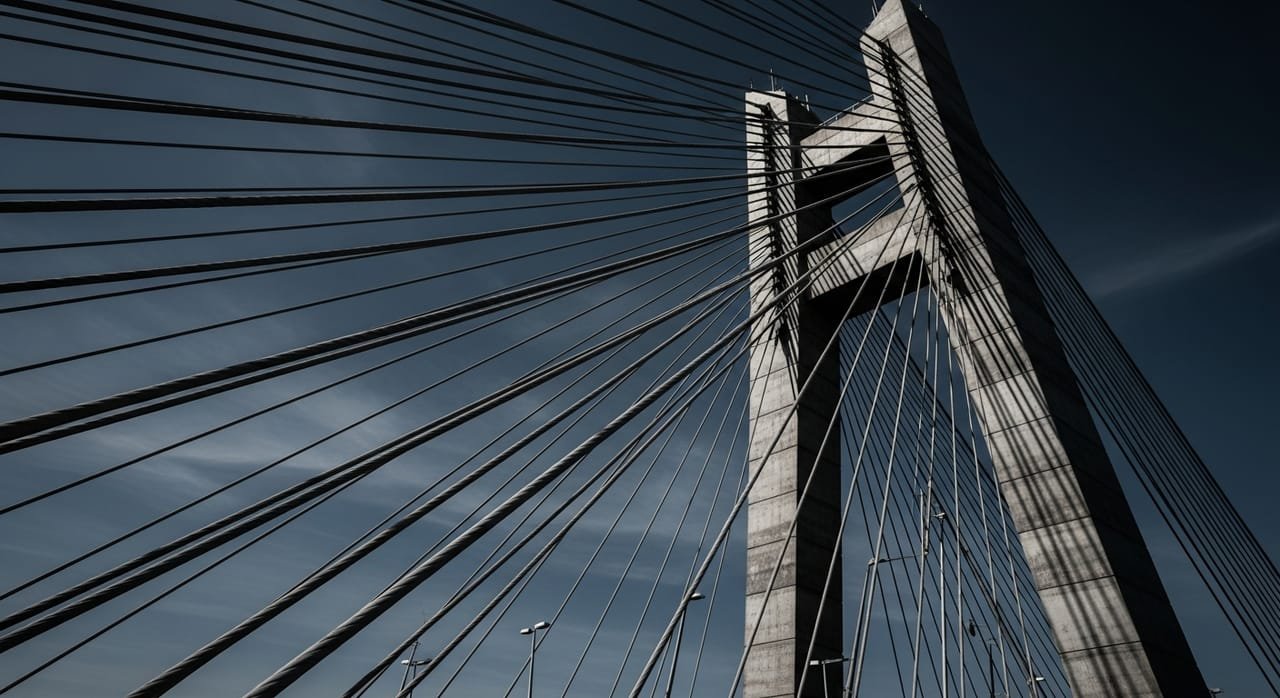
Government and multilateral-funded projects with sustainability procurement criteria — bridges, metros, and highways built with recycled-input steel.

Corporate & Industrial
Factories, warehouses, and campuses for companies with net-zero commitments — where every tonne of embodied carbon in the structure counts against Scope 3 targets.
From waste to watts to bars
Our green steel route connects four stages into one circular system — each stage feeding the next, recovering energy and material that conventional routes throw away.
From Homes to Highways
Whether you're building green-certified projects, public infrastructure, or sustainable housing, trust Amba Shakti Green Steel for the responsibility your projects demand.
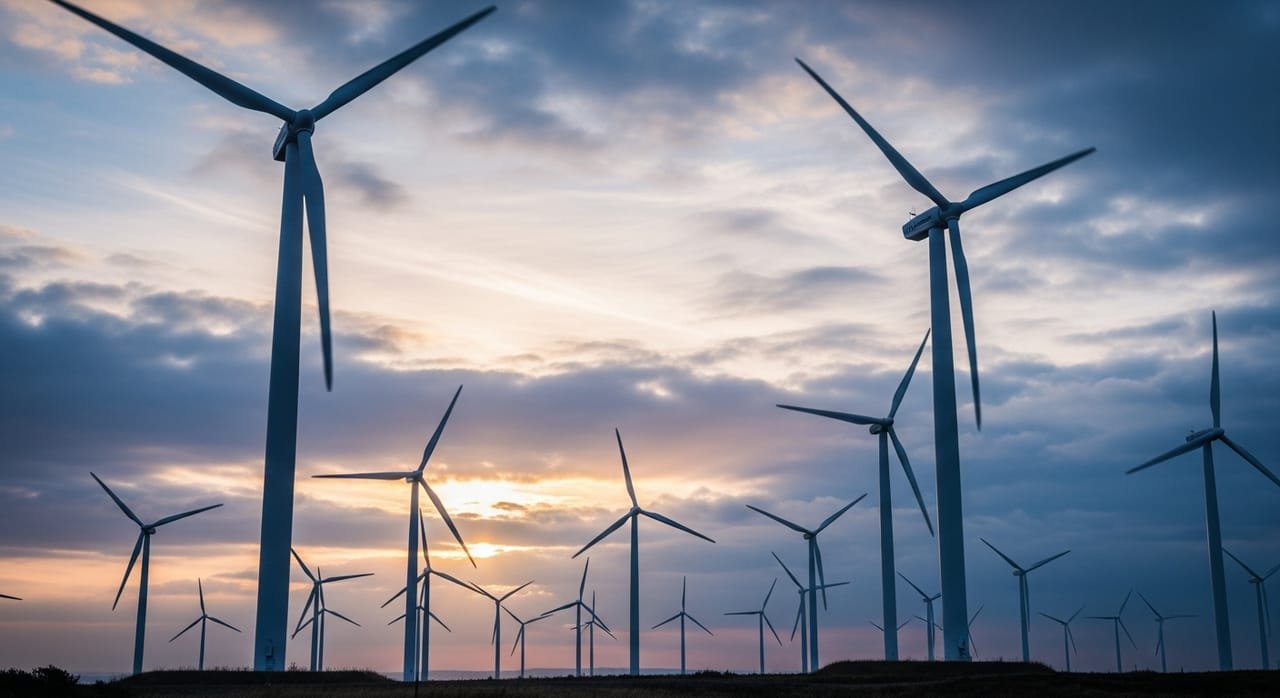 Renewable-Powered Plants
 Sustainable Construction
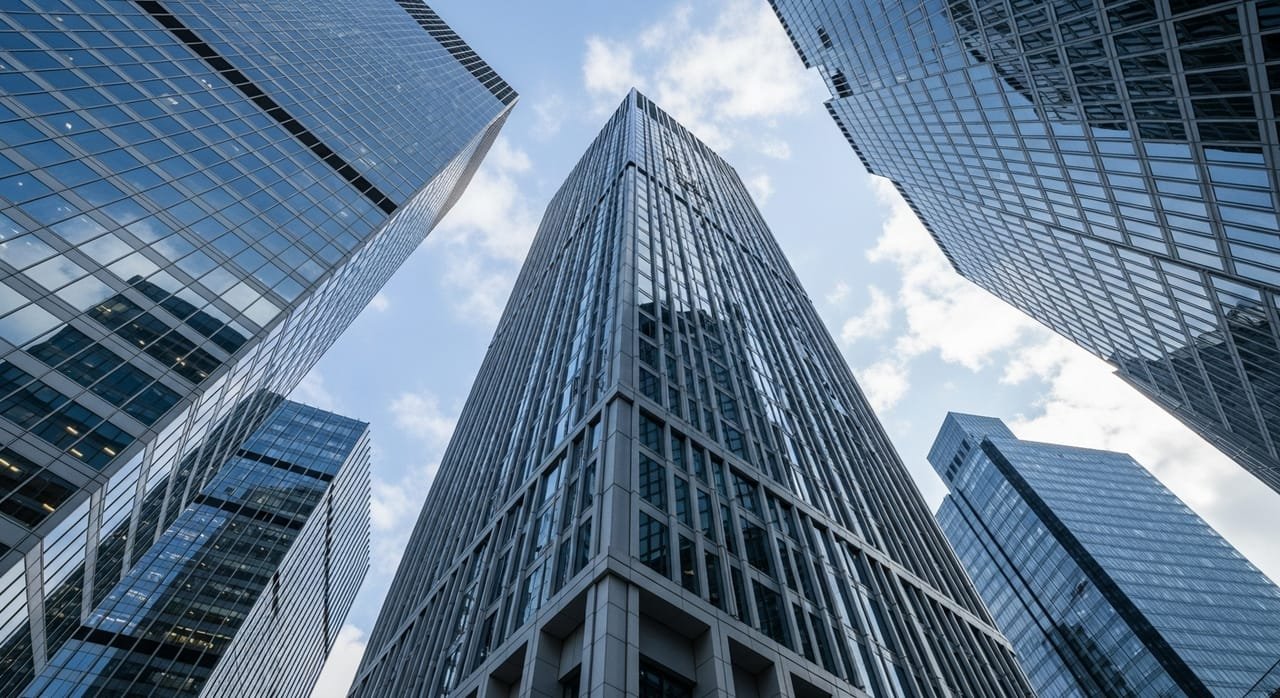 Green BuildingsPublic Infrastructure
Green Steel, Answered.
The questions developers and sustainability-focused builders ask most about green steel.
What is green steel?
Green steel is steel produced with a significantly lower carbon footprint — using cleaner energy, efficient processes, and recycled or responsibly sourced raw materials.
How does Amba Shakti reduce the carbon footprint of its steel?
Our integrated plants control the full chain from iron ore to finished steel, generate their own power, and continuously invest in energy-efficient technology to cut emissions per tonne.
Is green steel as strong as conventional steel?
Yes. Green steel meets the same IS 1786 and structural standards as conventional steel — the difference is in how it is made, not in its strength or durability.
Can TMT bars be recycled?
Yes. Steel is one of the most recycled materials in the world. TMT bars recovered from demolition can be re-melted and rolled into new steel products without loss of quality.
Why should builders choose green steel?
Green steel helps projects qualify for green building certifications, reduces embodied carbon, and meets the growing demand from buyers and regulators for sustainable construction.
Specify green steel on your next project
Tell us your project and tonnage. We'll respond with pricing, availability, and the environmental credentials your procurement team needs.
About Amba Shakti Green Steel
Amba Shakti Green Steel is produced through an integrated process that minimises carbon output at every stage — from raw material selection through melting, casting, and rolling. The finished bars meet the same IS 1786 standards as any conventional product.
How We Make It Greener
- Recycled scrap: High-grade recycled steel scrap replaces virgin iron as a significant portion of the melting charge.
- In-house DRI: Captive sponge iron provides a clean, low-residual iron source with known chemical composition.
- Waste-heat power: Kiln exhaust gases drive waste-heat recovery boilers that generate captive electricity.
- High-efficiency melting: Modern induction furnaces consume less energy per tonne than older arc furnace technologies.
- Zero liquid discharge: Closed-loop water circuits with zero process water discharge.
Available in grades Fe 500, Fe 500D, and Fe 550D with full IS 1786 certification and traceability documentation. Contact us for product availability and sustainability reporting.