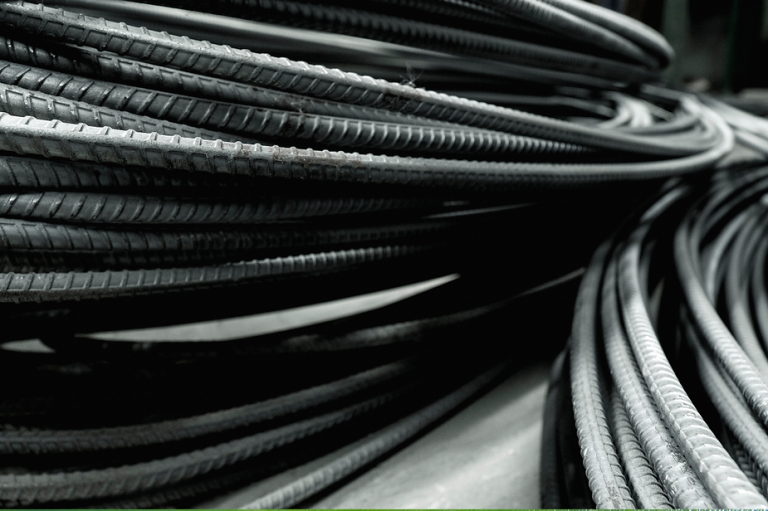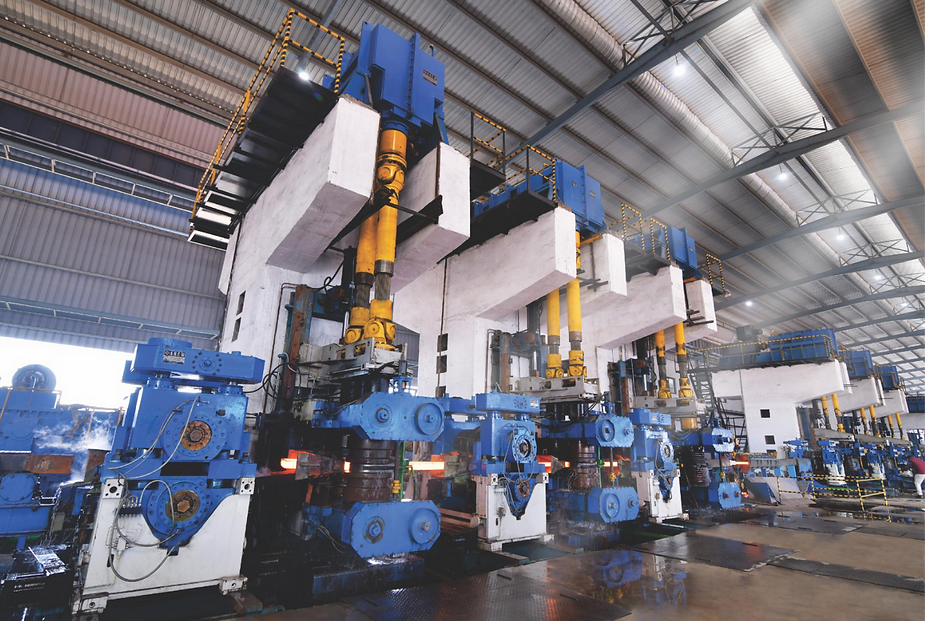

In the world of construction, the strength and durability of materials are paramount. This is where the efficiency of using a straight continuous mill for rolling rebars becomes evident. Among the leading options in this industry are the AMBA Shakti SD TMT Bars and AMBA Shakti Flexion TMT Bars, which stand out for their superior quality and cost-effectiveness.
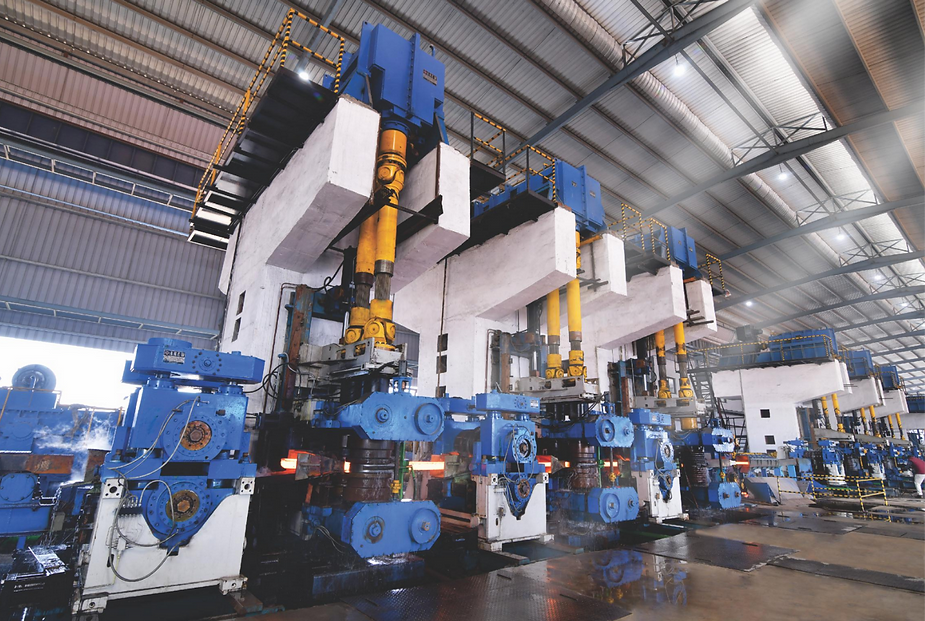
How are AMBA Shakti SD TMT Bars Produced?
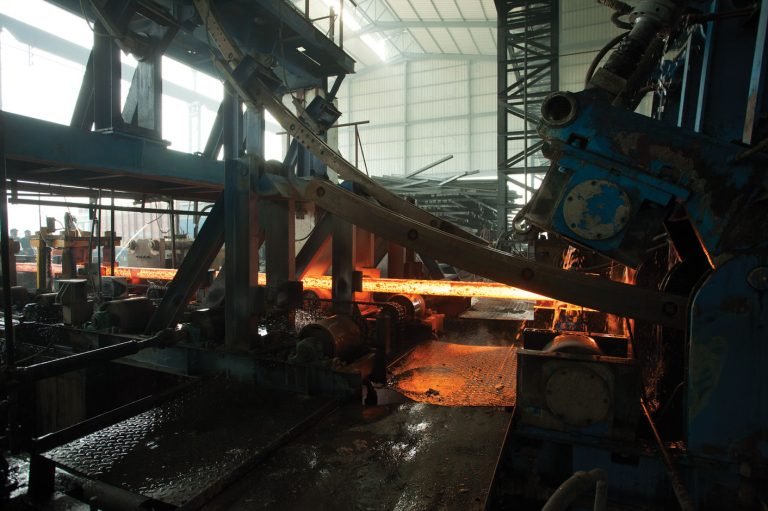
The production of AMBA Shakti SD TMT Bars involves meticulous control over raw materials, ensuring that the final product is not only earthquake-resistant but also free from distortions, thanks to the no-twist straight mill rolling process. This technique produces bars with exceptional precision, eliminating any issues related to twisting or bending that can compromise structural integrity.
Why are AMBA Shakti SD TMT Bars Superior?
- CNC Notching → Ensures uniformity in steel and enhances bonding with cement.
- HSS Rolls → Higher pass life, increased production, and excellent surface finish.
- Full Automation → Better quality control and higher productivity.
- Hot Charging vs RF Furnace → Saves energy and reduces production costs by ~20%.
- Sand Filtration Plant → Cleaner water for quenching, better finish, and extended roll life.
- Thermax® Patented Technology → Ensures consistency and durability.
These features make AMBA Shakti SD TMT Bars a cost-effective yet high-performance choice for modern construction.
What Makes AMBA Shakti Flexion TMT Bars Different?
AMBA Shakti Flexion TMT Bars share all the salient features of the SD variant but are specifically designed to compete with primary steel manufacturers.
- Produced via the Ladle Refining Furnace (LRF) route, ensuring refined steel composition.
- Free from tramp elements that could harm tensile strength, yield strength, or elongation.
- Ideal for complex and critical structures such as high-rises, dams, airports, and megastructures.
- Cost-effective due to lower overheads in smaller organizations.
How Do SD and Flexion TMT Bars Compare?
| Feature | AMBA Shakti SD TMT Bars | AMBA Shakti Flexion TMT Bars |
| Process | No-twist straight mill rolling | LRF route (refined steel) |
| Technology | Thermax® patented | Thermax® + LRF advantage |
| Finish | Excellent, uniform surface | High precision, refined |
| Strength | Earthquake-resistant | Earthquake-resistant + higher tensile strength |
| Best For | General construction, cost efficiency | Critical structures (dams, airports, high-rises) |
| Cost | ~20% cost saving vs local steel | Competitive with primary steel |
Do Both TMT Bars Offer Earthquake Resistance?
Yes, both AMBA Shakti SD TMT Bars and AMBA Shakti Flexion TMT Bars are designed with earthquake resistance in mind, making them an excellent choice for construction in seismically active regions.
Conclusion: Why Choose AMBA Shakti TMT Bars?
When it comes to constructing safe, durable, and cost-effective structures, the choice of rebars is crucial. With AMBA Shakti SD TMT Bars and AMBA Shakti Flexion TMT Bars, builders and developers get products that deliver on quality, efficiency, and economy, thanks to the straight continuous mill process and advanced technologies used in production.
Ambashakti TMT Bars Across India – Trusted Quality & Reliable Supply
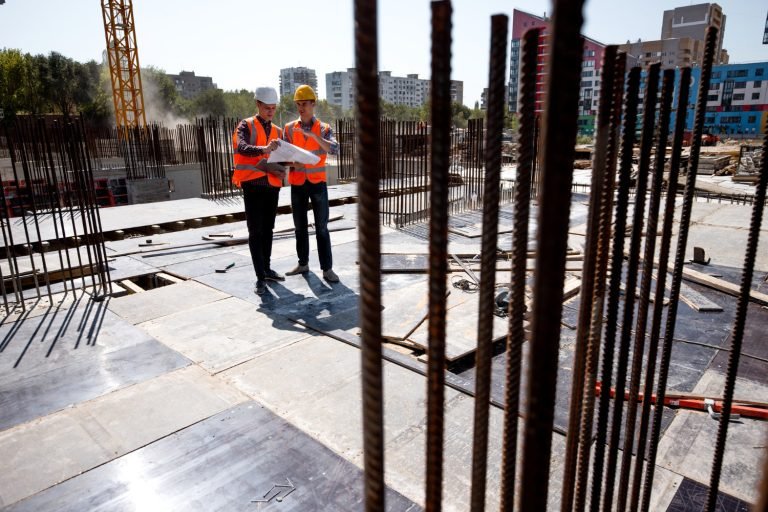
Ambashakti TMT Bars are used in national infrastructure projects as well as local construction across major Indian cities. From residential homes and high-rises to highways and commercial projects, builders and engineers rely on Ambashakti for IS 1786-compliant steel, consistent quality, and timely delivery.
Cities and Regions Where Ambashakti TMT Bars Are Available:
- Delhi – Ambashakti TMT Bars in Delhi
- Ghaziabad – Ambashakti TMT Bars in Ghaziabad
- Noida – Ambashakti TMT Bars in Noida
- Gurgaon – Ambashakti TMT Bars in Gurgaon
- Faridabad – Ambashakti TMT Bars in Faridabad
- Aligarh – Ambashakti TMT Bars in Aligarh
- Rajasthan – Ambashakti TMT Bars in Rajasthan
- Haryana – Ambashakti TMT Bars in Haryana
- Uttar Pradesh – Ambashakti TMT Bars in Uttar Pradesh
- Punjab – Ambashakti TMT Bars in Punjab
- Madhya Pradesh – Ambashakti TMT Bars in Madhya Pradesh
- Gwalior – Ambashakti TMT Bars in Gwalior
- Etah – Ambashakti TMT Bars in Etah
- Mainpuri – Ambashakti TMT Bars in Mainpuri
- Shikohabad – Ambashakti TMT Bars in Shikohabad
- Morena – Ambashakti TMT Bars in Morena
- Datia – Ambashakti TMT Bars in Datia
FAQs
Q1. What is the main difference between AMBA Shakti SD and Flexion TMT Bars?
SD TMT Bars focus on cost-effectiveness and precision rolling, while Flexion TMT Bars offer refined steel quality suitable for critical structures.
Q2. How do these TMT bars help in earthquake resistance?
Both variants are designed with superior tensile and elongation properties, making them highly resistant to seismic forces.
Q3. Are AMBA Shakti TMT Bars cost-effective compared to local steel?
Yes, SD TMT Bars provide around 20% cost savings due to energy-efficient production, while Flexion Bars are competitively priced against primary steel.
Q4. Where should Flexion TMT Bars be used?
Flexion TMT Bars are best suited for high-rise buildings, dams, airports, and other critical megastructures.
Q5. What technology is used in their production?
AMBA Shakti SD TMT Bars use Thermax® patented technology, while Flexion TMT Bars combine Thermax® with LRF refinement for superior quality.